
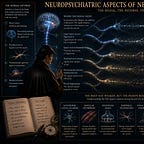

Neuromuscular diseases are often defined by their effects on muscle strength and function. Yet their impact extends far beyond the physical domain, shaping cognition, emotion, behaviour, and identity. This chapter explores the neuropsychiatric dimensions of conditions affecting the peripheral nervous system and muscle.
In this episode, we examine how diseases such as motor neurone disease, muscular dystrophies, and other neuromuscular conditions influence mental life. Some effects arise directly from neurological involvement, including cognitive and behavioural changes seen in certain disorders.
Equally important are the psychological and existential dimensions. Progressive loss of physical function alters autonomy, identity, and the sense of self - often leading to depression, anxiety, adjustment difficulties, and complex emotional responses.
A key theme is interaction. Biological changes, psychological adaptation, and social context intertwine to shape the overall clinical picture. The experience of illness is not reducible to pathology alone.
This chapter highlights the importance of holistic care - recognising that neuromuscular disease affects not only what a person can do, but how they experience themselves and their place in the world.
Key Takeaways
Neuromuscular diseases primarily affect movement but have broader neuropsychiatric impact.
Some conditions involve direct cognitive and behavioural changes.
Psychological responses include depression, anxiety, and adjustment difficulties.
Loss of function can affect identity, autonomy, and sense of self.
Social and environmental factors shape the experience of illness.
Care requires integration of neurological, psychiatric, and psychosocial perspectives.
The impact of disease extends beyond physical impairment.


