
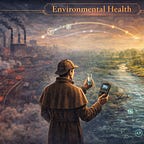

In this episode, Medlock Holmes turns his attention to the external forces that surround - and sustain - human life. Environmental health examines how physical, chemical, and biological factors in our surroundings influence disease patterns and wellbeing.
Holmes traces the historical arc of environmental thinking in public health - from early sanitation reforms and water safety to modern concerns about pollution, toxic exposures, and climate change. We explore how industrialisation transformed patterns of disease, shifting burdens from infectious outbreaks to chronic environmental exposures.
The episode examines major environmental domains:
Air quality and respiratory disease
Water safety and sanitation
Soil contamination and heavy metals
Chemical pollutants and carcinogenesis
Climate and ecological disruption
Holmes also explores host–environment interaction - how exposure risk varies by occupation, socioeconomic status, geography, and vulnerability across the life course.
We examine both acute environmental disasters and insidious long-term exposures. A chemical spill captures headlines; chronic low-level exposure quietly reshapes disease risk over decades.
Environmental health sits at the intersection of epidemiology, toxicology, urban planning, and policy. Prevention requires regulation, monitoring, and sustained environmental stewardship.
The health of populations cannot be separated from the health of their ecosystems.


